Peripheral Neuropathy Chiropractic Care FAQs
Living with numbness, tingling, burning, or “pins and needles” can make everyday tasks feel harder than they should—especially when symptoms affect your balance, sleep, or ability to stay active. If you’re dealing with peripheral neuropathy (or you suspect you might be), it’s normal to wonder what a chiropractor can realistically do, what a visit looks like, and which options may be worth discussing with your healthcare team. For readers in Athens, GA, Five Points Chiropractic shares these common questions to help you understand the basics and make informed next steps.
If you’re looking for local care details, you can start here: https://fivepointschiropractic.com/athens-ga.
The Essentials: Quick Answers First
- Chiropractic care may help by addressing joint motion, posture, and movement patterns that can contribute to stress on nerves—without claiming to “cure” nerve conditions.
- Evaluation matters : a thorough history and exam help determine whether your symptoms fit a nerve-related pattern and whether you need referral or co-management.
- Care plans are individualized and may include gentle adjustments, physiotherapy-style modalities, mobility work, and at-home guidance.
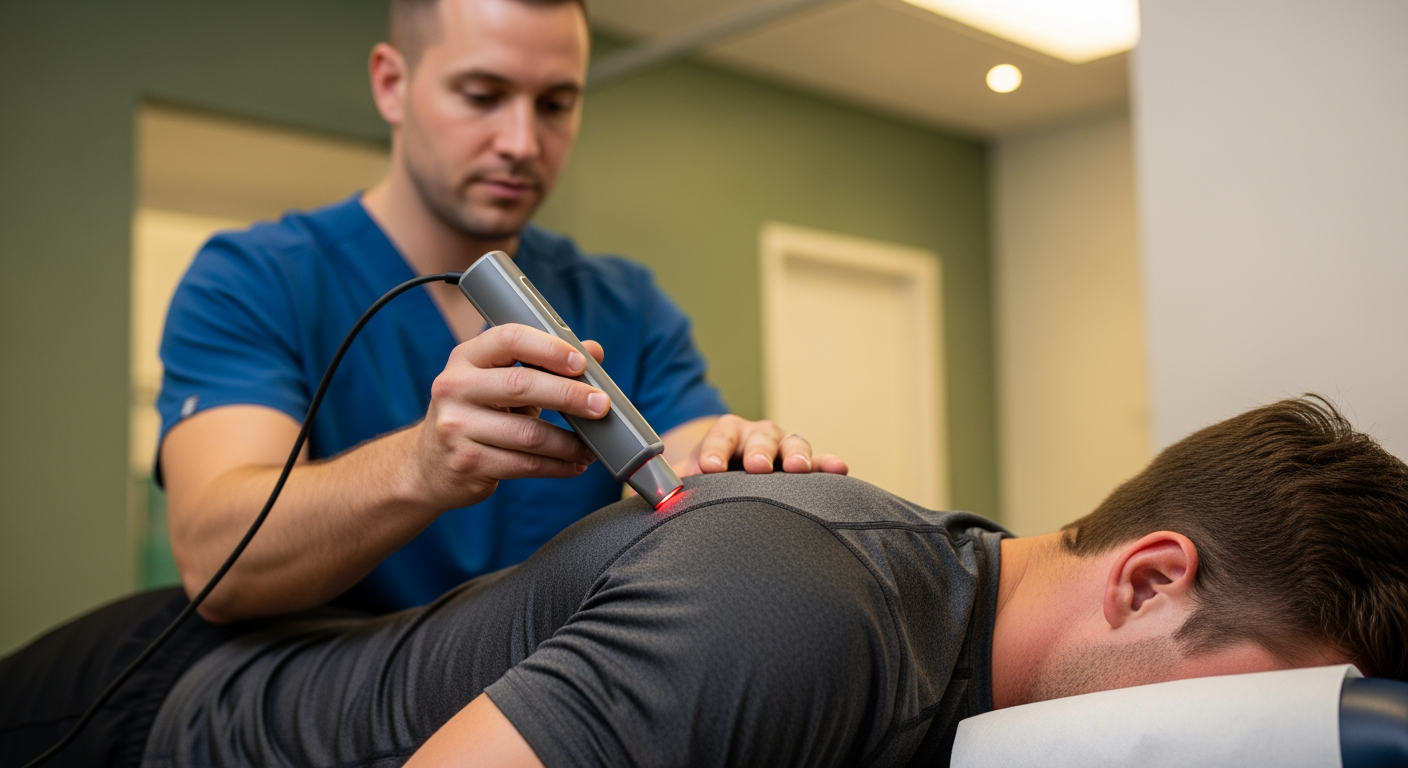
- Therapeutic laser may be discussed as a non-invasive option some clinics use to support comfort and tissue recovery, depending on your case.
- Red flags require medical attention , especially sudden weakness, new bowel/bladder changes, or rapidly worsening symptoms.
Understanding Peripheral Neuropathy (Without the Jargon)
“Peripheral neuropathy” is a broad term for problems involving the peripheral nerves—the network that carries signals between your brain/spinal cord and the rest of your body. When these nerves are irritated, compressed, or affected by underlying health conditions, you may notice sensory changes (numbness, tingling, burning), motor changes (weakness, foot drop), or altered balance.
Because symptoms can overlap with other issues—like radiculopathy (nerve root irritation in the spine), circulation concerns, or metabolic conditions—a careful assessment is important. A chiropractor’s role is typically focused on musculoskeletal and functional factors that may be adding stress to the nervous system, while also helping you recognize when additional medical evaluation is needed.
How Chiropractic Care Can Fit Into a Neuropathy Care Plan
Chiropractic care isn’t positioned as a replacement for medical care. Instead, it may be used as part of a broader plan aimed at improving how your body moves and functions. Depending on your presentation, goals, and overall health, a chiropractor may focus on:
- Spinal and joint mobility to reduce mechanical stress and improve movement quality.
- Posture and gait support to address compensations that develop when sensation changes in the feet or hands.
- Soft tissue and rehab strategies that support strength, stability, and confidence with daily activity.
- Education on pacing, footwear considerations, and home exercises that match your tolerance.
How Laser Therapy May Be Used for Comfort and Function
Some chiropractic offices incorporate therapeutic laser as a non-invasive modality. The intent is typically to support comfort and tissue recovery by delivering light energy to targeted areas. If your clinic offers a Class IV device (such as Summus Class IV Medical Laser®), the provider should explain what it’s intended to do, what you may feel during a session, and how it fits alongside other care elements like mobility work or exercise.
It’s also reasonable to ask what outcomes are realistic for your specific situation, how progress will be tracked, and what alternative options exist if you don’t respond as hoped. A good plan is measurable and adaptable—without promises.
Why Timing Matters: The Practical Impact on Daily Life
When nerve-related symptoms linger, the effects often show up in everyday routines before they show up on a calendar. People commonly report:
- Reduced activity because walking, standing, or gripping objects feels uncomfortable or unsteady.
- Sleep disruption when symptoms flare at night.
- More falls or near-falls due to reduced foot sensation and slower balance reactions.
- Compensation pain in the back, hips, knees, or shoulders from moving differently to “protect” a numb or painful area.
Getting evaluated sooner can help clarify what’s going on, identify red flags, and start a plan focused on function and safety—even if symptoms have been present for a while.
Common Missteps to Avoid (Quick Checklist)
- ☐ Ignoring sudden changes — rapid worsening, new weakness, or loss of coordination should be assessed promptly by an appropriate medical professional.
- ☐ Self-diagnosing the cause — numbness can come from multiple sources, including spine-related issues, systemic conditions, or circulation problems.
- ☐ Chasing a single “magic” treatment — many people do better with a layered plan: movement, symptom management, and risk-factor conversations with their medical team.
- ☐ Doing too much too soon — aggressive stretching or intense workouts can backfire if your body is already sensitized.
- ☐ Skipping follow-up — progress is easier to gauge when you track functional markers (walking tolerance, sleep, balance confidence), not just pain.
A Smart, Safe Action Plan You Can Start
- ☐ Write down your symptom pattern (where it is, when it’s worse, what helps, what aggravates it).
- ☐ List medications and relevant diagnoses to share with your provider for a more complete picture.
- ☐ Ask for a focused exam that includes sensation, strength, reflexes, balance, and spine/joint screening as appropriate.
- ☐ Discuss conservative options such as gentle manual care, rehab exercises, and modalities that match your tolerance.
- ☐ Set measurable goals (example: “walk 10 minutes comfortably,” “sleep through the night more often,” “feel steadier on stairs”).
- ☐ Reassess at planned intervals and adjust the plan based on objective changes and your day-to-day function.
Professional Insight: What Most People Miss Early On
In practice, we often see people wait because symptoms are intermittent—then they start limiting activity “just in case.” That well-intended caution can lead to stiffness, deconditioning, and more guarded movement. A measured plan that prioritizes safety, gradual activity, and clear reassessments can be a more sustainable path than either pushing through or shutting down.
When to Seek Medical or Chiropractic Help
Consider getting evaluated sooner rather than later if you notice any of the following:
- New or worsening numbness/tingling that persists or spreads.
- Weakness in the hands, legs, ankles, or feet (tripping, dropping objects, foot slap).
- Balance problems or increased falls/near-falls.
- Night symptoms that regularly disrupt sleep.
- One-sided symptoms with back or neck pain that may suggest a spine-related component.
- Urgent red flags : sudden severe weakness, loss of bowel/bladder control, or rapidly progressing symptoms—seek urgent medical evaluation.
Your Questions, Answered
Can a chiropractor diagnose what’s causing my numbness or tingling?
A chiropractor can evaluate musculoskeletal and functional contributors, screen for patterns that may involve nerve irritation, and identify when referral for medical testing is appropriate. If the presentation suggests a non-musculoskeletal cause, co-management or referral is the safest next step.
What happens during an initial visit for nerve-related symptoms?
Most initial visits include a health history, review of symptom patterns, and a physical exam that may assess sensation, strength, reflexes, balance, posture, and joint/spine movement. Your provider should explain findings in plain language and outline reasonable options.
Is a laser treatment session painful?
Many people describe therapeutic laser sessions as comfortable. Sensations vary by device and settings, and your provider should explain what you might feel and how long a session typically lasts. You can also ask about precautions and whether it’s appropriate for your case.
How many visits does it usually take to notice a change?
That depends on what’s driving your symptoms, how long they’ve been present, and your overall health. A responsible plan sets measurable goals and reassesses periodically rather than promising a specific timeline.
What can I do at home that’s generally low-risk?
Simple steps often include staying gently active within tolerance, using supportive footwear, avoiding prolonged positions that worsen symptoms, and following a tailored exercise plan from a qualified provider. If you have significant balance issues or rapidly changing symptoms, get evaluated before starting new routines.
Moving Forward
Peripheral nerve symptoms can be confusing, frustrating, and disruptive—but you don’t have to guess your way through it. A thorough evaluation can clarify whether your symptoms look spine-related, nerve-related, or like something that needs medical follow-up. Conservative care may focus on mobility, function, comfort, and practical day-to-day strategies. If you want help understanding your options and what a reasonable plan could look like, our team is here to talk.
Get in Touch
Fill out our quick form and we'll get back to you within 24 hours.
Recent Posts