Laser Therapy used by Chiropractors for Sports Injury Patients

Five Points Chiropractic • March 31, 2026

Share this article

HomeBlog

Sports injuries have a way of showing up right when your schedule is packed—training plans, weekend leagues, and family trips don’t exactly leave room for stubborn aches. If you’re an athlete, a weekend warrior, or a parent of a busy kid in sports, you may be wondering whether laser therapy is a reasonable option to support recovery alongside chiropractic care. It matters because the right plan can help you stay active while protecting the injured area and avoiding the “push through it” cycle that can prolong irritation.

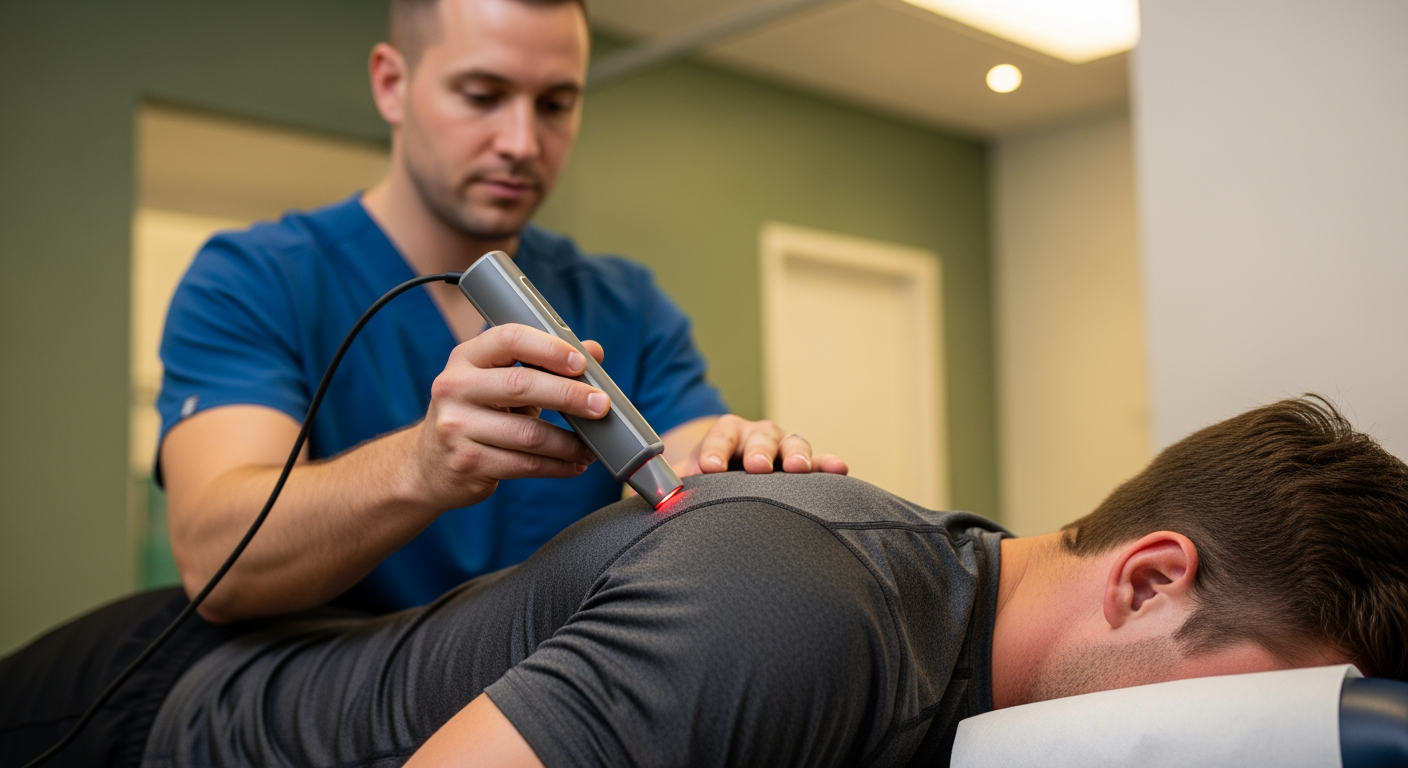
In many chiropractic offices, therapeutic laser is used as a non-invasive, in-office modality that may help manage pain and support tissue healing as part of a broader sports injury plan. If you’re looking for laser therapy in Athens, GA, it can help to know what it is, what a typical visit looks like, and how to decide whether it fits your injury and training timeline.

The Essentials for Sports Injury Patients

  • It’s a tool, not a magic wand: Therapeutic laser is often used alongside evaluation, activity modification, rehab exercises, and (when appropriate) chiropractic adjustments.
  • Common goals: Many care plans use laser treatment to support comfort, reduce irritation, and encourage healthier movement during recovery.
  • Sessions are typically quick: Visits often include targeted application to the affected area and may be paired with soft-tissue work or guided exercises.
  • Best results usually come from a plan: Consistency and smart load management (sleep, training volume, and recovery days) matter as much as the modality.
  • Not every injury is a match: The right approach depends on your diagnosis, stage of healing, and overall health history.

How Laser Therapy Fits Into Sports Injury Care

Therapeutic laser (often called “cold laser” or “low-level laser,” depending on the device and settings) uses specific wavelengths of light applied to the skin over targeted tissues. In sports injury settings, the intent is typically to support the body’s natural repair processes and help calm down sensitive, irritated areas so you can move more comfortably.

Chiropractors may include laser treatment as part of a broader plan that also addresses biomechanics—how you run, lift, throw, sit, and recover. For example, if a shoulder is irritated, your provider may look beyond the painful spot and consider the shoulder blade, upper back mobility, rib motion, and training volume. The laser component is usually one piece of a “stack” that can include manual therapy, mobility work, and a progressive return-to-sport plan.

Why Summer Training Can Make Injuries Stick Around

Seasonal training patterns can raise the odds of overuse problems. When practices, tournaments, and outdoor workouts ramp up, it’s easy to increase intensity and volume faster than your tissues can adapt. That mismatch is a common reason minor irritation turns into a lingering issue.

Timing matters because the longer you compensate, the more likely you are to change your mechanics—limping, altering your stride, or avoiding certain ranges of motion. Those changes can shift stress to other joints and muscles, which may increase downtime and complicate your return to activity.

Common Missteps That Slow Sports Injury Recovery (Checklist)

  • Waiting for it to “just go away” while still training hard: Pain that persists often needs a plan, not just time.
  • Only treating the painful spot: Many sports injuries involve movement patterns, load management, and adjacent joints.
  • Jumping back to full intensity too soon: A spike in mileage, weight, or practice time can re-irritate the tissue.
  • Skipping the basics: Sleep, hydration, and nutrition affect recovery capacity more than most people want to admit.
  • DIY “random rehab” from social media: Exercises can be helpful, but the wrong timing or dosage can backfire.
  • Ignoring red flags: Numbness, significant weakness, or severe swelling should be assessed promptly by an appropriate healthcare professional.

A Practical Game Plan for Using Therapeutic Laser (Checklist)

  • Get a clear assessment first: Identify the tissue(s) involved, aggravating activities, and movement limitations.
  • Set a short-term goal: For example: “Walk stairs without sharp pain” or “Return to light throwing without flare-ups.”
  • Pair in-office care with home steps: Follow a simple home program (mobility, isometrics, or controlled strength) that matches your stage of healing.
  • Use a return-to-sport ramp: Gradually reintroduce speed, volume, and impact rather than flipping the switch overnight.
  • Track your response: Note what helps, what irritates, and how symptoms change over 24–48 hours after activity.
  • Ask about timing and frequency: Your provider can explain how laser sessions may be scheduled within your overall plan.

Professional Insight: What Most Athletes Miss

In practice, we often see that people focus on “the one thing” that will fix the problem—when the better approach is usually combining the right modality with the right loading strategy. When activity is adjusted intelligently (not avoided completely) and paired with targeted in-office care, patients often find it easier to stay consistent and avoid the boom-bust cycle of pushing hard, flaring up, and starting over.

When to Seek Help for a Sports Injury

Consider professional evaluation if any of the following apply:

  • Pain lasts longer than 7–10 days without clear improvement, especially if you’ve reduced aggravating activity.
  • Your range of motion is noticeably limited or movement feels unstable.
  • You can’t train without compensating (limping, altered form, avoiding certain positions).
  • Symptoms are escalating (more frequent, more intense, or spreading).
  • You have concerning neurological symptoms like numbness, tingling, or new weakness—seek prompt medical evaluation.

Your Questions, Answered

Does therapeutic laser hurt?

Most people describe it as comfortable. You may feel mild warmth depending on the device and settings, but it’s typically well-tolerated.

How long does a session usually take for a sports injury?

It varies by the area treated and the plan, but many sessions are relatively short and are often combined with other in-office treatments or exercise guidance.

Can this be used with chiropractic adjustments and rehab exercises?

Often, yes. Many care plans coordinate multiple approaches—manual therapy, adjustments (when appropriate), and progressive exercises—based on your exam findings and goals.

What kinds of injuries might be considered for this approach?

Providers commonly consider it for overuse and soft-tissue complaints (like tendon or muscle irritation) and certain joint-related pain patterns. The right fit depends on your specific diagnosis and health history.

How soon should I get checked after I tweak something?

If pain is sharp, swelling is significant, you can’t bear weight, or symptoms don’t begin improving within several days, it’s reasonable to seek an evaluation sooner rather than later.

Where to Go from Here

Sports injuries can be frustrating, especially when you’re trying to stay active through a busy season. Therapeutic laser can be a helpful part of a broader plan that prioritizes smart movement, appropriate loading, and targeted in-office care. If you’re unsure what’s driving your pain—or you’re tired of recurring flare-ups—an evaluation can clarify the next best steps.

Book Your Consultation

Schedule a free consultation with our experts.

Recent Posts

By Five Points Chiropractic June 15, 2026
Peripheral neuropathy FAQs: signs, what to expect, and how laser therapy may support comfort and function. Athens info included—read first.
By Five Points Chiropractic June 10, 2026
Need an in-network chiropractor in Athens? Learn how to verify benefits, avoid surprise costs, and ask smart questions about care options.
By Five Points Chiropractic May 6, 2026
Chiropractic visit basics: what happens, how to prep, and what you may feel after. Clear, beginner steps to book with confidence.
By Five Points Chiropractic April 16, 2026
Chiropractic services for car accident victims: what to expect, safety tips, and laser therapy options to support recovery and function.
Chiropractor using a handheld device on a patient lying face down on a treatment table
March 31, 2026
Laser therapy for sports injuries: benefits, who it’s for, spring training tips, and when to get evaluated in Athens.

Patient lying on an exam table while a doctor checks both feet in a clinic room
March 25, 2026
Peripheral neuropathy FAQs: what chiropractic care may help, what to expect at visits, and when to seek medical evaluation.

Person’s bare back being examined by a hand in a medical office, with an anatomy chart in the background
September 22, 2020
If you've never visited a chiropractor before, you likely have many questions. This article should help shed some light on some of the benefits of seeing a chiropractor, as well as address some common misconceptions. A chiropractic doctor provides non-invasive care to patients that are experiencing various forms of back and neck pain. In many cases, patients choose to see a chiropractor to get relief without the need for prescription drugs or invasive surgery. These professionals address joint, bone, and muscle related issues.

Doctor examining a patient’s shoulder and upper back in a clinic.
March 26, 2020
A brief overview of what to expect from a chiropractor and chiropractic adjustments.